
Preparation
In the weeks before the operation, it's best to sort out practical matters: help around the house, crutches (which can be hired from a home-care equipment shop), and, if needed, transport home after the procedure — you're not allowed to drive yourself. Do you smoke? Stopping smoking, ideally from four weeks before to four weeks after the operation, noticeably improves the healing of your wound and bone.
On the day of the operation: you may have a light meal up to 6 hours beforehand, and clear fluids (water, tea, or apple juice without milk) up to 2 hours beforehand. After that, you must remain nil by mouth — this is important for your safety during the anaesthetic.
During the operation
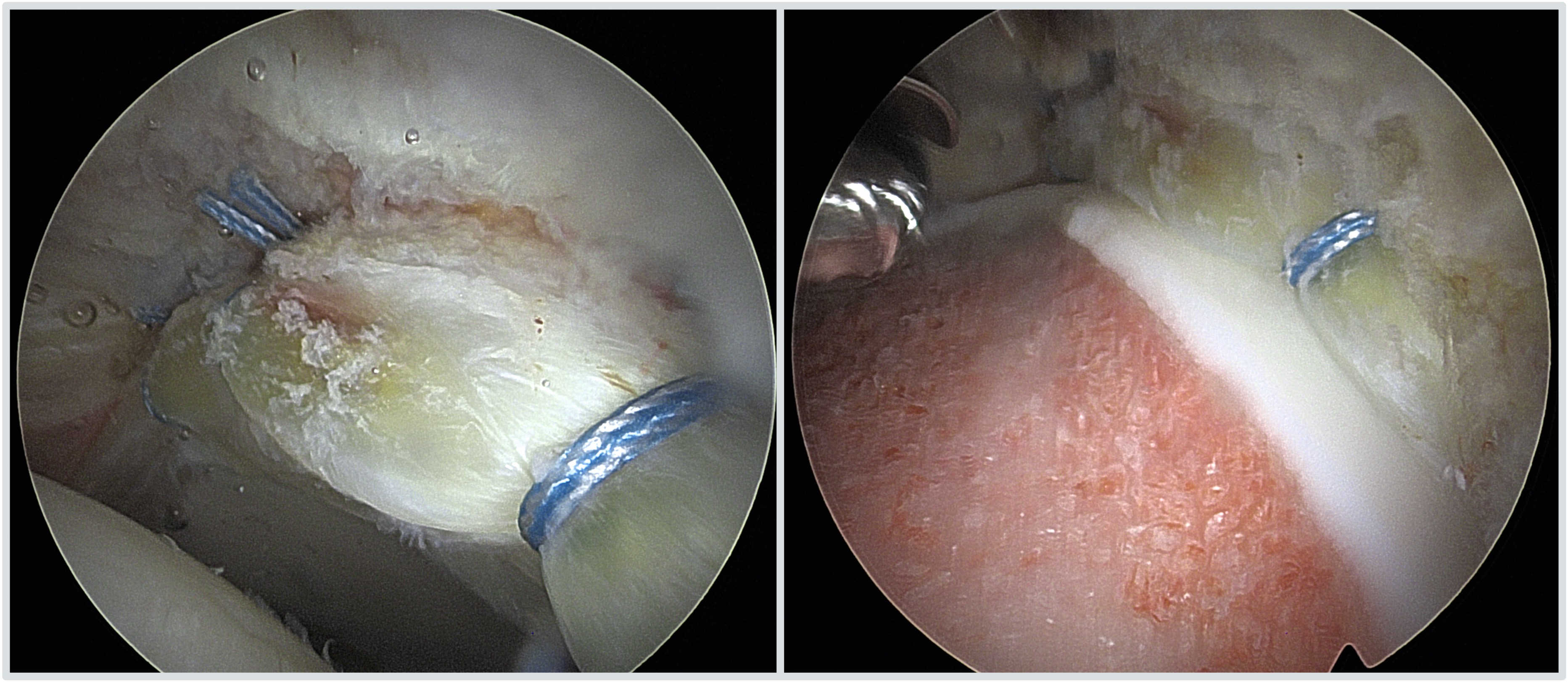
The operation is carried out under general anaesthetic or with spinal anaesthesia (a spinal injection) — which option suits you best is discussed beforehand with the anaesthetist. Using a special table, your hip is gently placed under traction: the femoral head is pulled a small distance out of the socket, creating space to work. Through two or three small incisions of around two to three centimetres, your orthopaedic surgeon inserts a camera and fine instruments into the joint.
Depending on what's needed, the labrum is repaired with stitches (or, if that's no longer possible, the damaged part is removed), any colliding bony overgrowth is shaved away in cases of FAI, and damaged cartilage is treated. The operation usually takes 45 minutes to an hour and a half.
Straight after the operation
After the operation, you'll first go to the recovery room, where you'll be monitored until you're stable — this usually takes around 30 to 60 minutes. You'll then go to the ward, where you'll stay for a few more hours. As soon as you're not feeling sick, you may drink carefully and then eat.
On the ward, the physiotherapist will also visit briefly to give the first instructions, and a nurse will teach you how to stand up and walk safely with crutches.
You'll go home the same day, once your pain is under control and you can manage walking with crutches. Your physiotherapy, at home or as an outpatient, usually starts within a few days of the operation.
The first weeks afterwards
Your physiotherapy usually starts within a few days of the operation; you'll be given a referral to take home
After around 2 weeks: stitches removed (no separate appointment needed)
After around 8 weeks: follow-up appointment with your orthopaedic surgeon
The day of surgery in brief
Arrival — preparation, final checks, surgical gown
Operation — under general or spinal anaesthesia, usually 45 minutes to an hour and a half
Recovery room — around 30 to 60 minutes, until you're stable
Ward — a few more hours; the physiotherapist visits to give the first instructions and a nurse helps you stand up and take your first steps with crutches
Discharge — the same day