
Exercise therapy: the first step
For most hip symptoms caused by FAI or a labral tear, exercise therapy is the first and most important step, well before surgery is considered. A physiotherapist will work with you to develop a targeted exercise programme for strength and stability around the hip, usually supervised once or twice a week; alongside this, you will also exercise on your own at home or at the gym, typically for three months or longer.
Adjusting your activity levels
Just as important as the exercises themselves is adjusting the load on your hip. This may mean temporarily changing work, sport or hobbies that trigger your symptoms. Your physiotherapist will advise you on this, tailored to your situation.
What exercise therapy doesn't resolve
Exercise therapy does not treat the underlying shape abnormality behind FAI: this remains present. If you build the load back up, your symptoms may return as a result. With the cam variant, the impingement may also, in the longer term, contribute to the earlier onset of osteoarthritis of the hip joint — even if symptoms are well controlled with exercise therapy. This is one of the factors that plays a role in choosing between exercise therapy and surgery.
Hip replacement
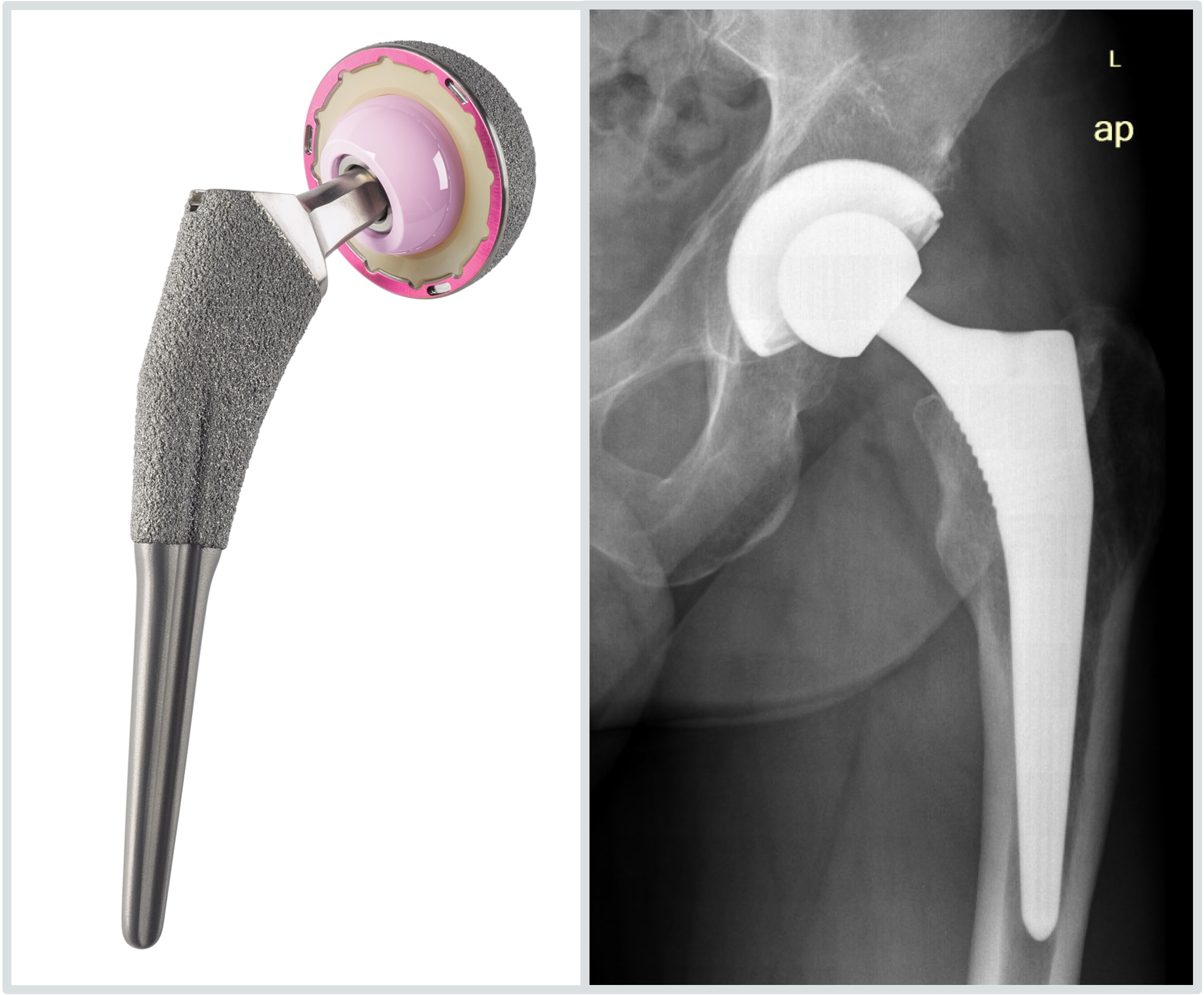
If (early) osteoarthritis of the hip joint is already present, hip arthroscopy is no longer the right treatment: the cartilage will have been damaged too much by that stage. In this situation, or with persistent symptoms later in life, a hip replacement (an artificial hip) may be a suitable alternative. This is not a bigger procedure than hip arthroscopy, but it is more far-reaching in the sense that you give up your own hip joint. A replacement also has a limited lifespan — fortunately often more than 20 years — which means a revision operation is sometimes needed further down the line.
Ganz osteotomy for hip dysplasia
In cases of pronounced hip dysplasia, a Ganz osteotomy — rather than hip arthroscopy — is sometimes the best solution: this involves surgically repositioning the hip socket so that the hip head is given sufficient support again. This is a specialist procedure that is not offered by every clinic; your orthopaedic surgeon will discuss this with you and refer you on if needed.
Which option is right for you?
Which treatment suits you best depends on your symptoms, their cause, your age and your personal preferences. Take a look at our decision aid on the page about making decisions together, and read more about your right to information on the page about informed consent.